Oral probiotic guide · Tartar control
Tartar ProDentim: An Honest Look at Whether a Chewable Oral Probiotic Can Help You Stay Ahead of Tartar
You looked in the mirror, spotted a rough yellow ridge near your gumline, and typed tartar ProDentim into a search bar. That is a fair thing to wonder about. Daily chewable probiotics are everywhere, and tartar is one of the few things a toothbrush cannot fix. This guide explains what tartar is, how it forms, what is inside the ProDentim formula, what researchers have actually measured, and where tartar ProDentim realistically fits into your day. No miracle promises, just the useful parts.
Transparency note: some links on this page are affiliate links. If you buy through one, we may earn a commission at no extra cost to you.
- Plain-English explanations
- Honest about what the research shows
- Your dentist stays in charge of tartar removal
The short answer
Does Tartar ProDentim Remove Tartar? The Quick Answer
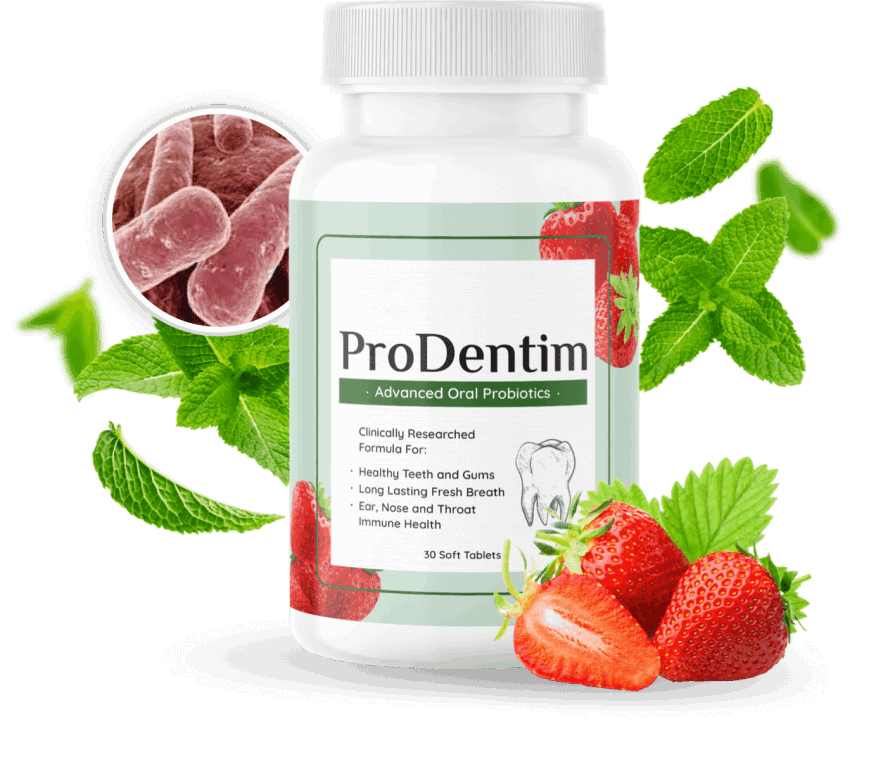
No. Tartar that has already hardened on your teeth is a mineralized deposit, and only a dentist or dental hygienist can remove it with scaling instruments. What a chewable oral probiotic is designed to do is support the balance of bacteria in your mouth, which may help keep fresh plaque in check between professional cleanings.
In other words, tartar ProDentim is best understood as a possible helper upstream of tartar, never a substitute for the cleaning chair. If a page promises that tartar ProDentim will melt tartar away, close the tab.
In this guide
- What tartar really is
- How plaque turns into tartar
- Why tartar matters
- What is ProDentim?
- What the research says
- Tartar ProDentim vs. the alternatives
- A realistic daily routine
- Enamel, caries and cavities
- Who might consider it
- Tartar myths and facts
- More ProDentim guides
- Frequently asked questions
- The bottom line
Start with the basics
What Tartar Really Is, and Why Tartar ProDentim Questions Start Here
Tartar, which dentists call dental calculus, is plaque that has hardened. Plaque itself is a soft, sticky film of bacteria, proteins from saliva and tiny food particles that starts coating your teeth within hours of every brushing. When that film is left undisturbed, minerals in your saliva settle into it and it begins to harden. For many people that process can begin within a day or two. Once plaque has mineralized, it bonds to the tooth like cement, and no toothbrush, however good, can scrape it off.
Anyone looking into tartar ProDentim should absorb this distinction first. Plaque is a daily housekeeping problem that you manage with a brush and floss. Tartar is a structural problem that belongs to your dental team. It also explains why dental plaque ProDentim searches and tartar ProDentim searches are not the same question: one is about a soft film that comes off at home, the other about a hard deposit that does not. Most of the confusion around tartar ProDentim comes from blurring those two jobs together, so we will keep them separate all the way through this article.
Where tartar likes to settle
Tartar is not spread evenly. It tends to collect where saliva pools and where cleaning is difficult: behind the lower front teeth, on the cheek side of the upper back molars, between teeth, and just under the gumline where you cannot see it. Deposits above the gumline are usually yellow or brown and rough to the tongue. Deposits below the gumline are darker, firmer and quietly irritating to the gums, which is why a routine exam matters more than any mirror check at home.

From film to stone
How Plaque Turns Into Tartar: A Four-Stage Timeline
Think of plaque as wet cement and tartar as the dried sidewalk. The window between the two is shorter than most people expect, which is why daily habits beat any supplement. Here is how the sequence usually unfolds.
Stage 1: A thin film forms
Within minutes of brushing, proteins from your saliva coat the enamel. The first bacteria attach to that film within hours.
Stage 2: Plaque thickens
Through the day, more bacterial species join. Sugars and refined starches fuel them, and the deeper layers start producing acid.
Stage 3: Minerals move in
After a day or two without thorough cleaning, calcium and phosphate from saliva begin to harden parts of the plaque.
Stage 4: Tartar locks on
Over days and weeks the deposit grows, turns rough and porous, and gives fresh plaque an ideal place to cling.
Plaque is easy to remove for about a day. After that, you are relying on your dental team.
Notice where the conversation about dental plaque ProDentim belongs: in stages one and two, before anything has hardened. Our companion article on dental plaque ProDentim looks at how an oral probiotic may relate to soft plaque, while this page stays with tartar ProDentim and the hardened end of the story. Read the two as a pair and you will see why timing is everything.
Why it matters
Why Tartar Matters for Your Gums, Breath and Enamel
Tartar is more than a cosmetic annoyance. Its rough, porous surface gives new plaque bacteria a ready-made foothold, so deposits tend to grow faster once they have started. Because tartar sits so close to the gums, it is also linked with gum irritation that can begin as mild redness and bleeding and, if ignored, progress to more serious gum disease. This is why a person who searches for tartar ProDentim is often really asking a bigger question: how do I protect my gums and teeth?
Irritated gums
Tartar at the gumline keeps bacteria pressed against soft tissue, which can lead to puffy, tender or bleeding gums.
Breath and staining
The porous surface traps odor-causing bacteria and soaks up pigments from coffee, tea and tobacco, so tartar often shows up as stains and stubborn bad breath.
Cavity risk
Rough deposits shelter acid-producing plaque against enamel, which raises the odds of decay on nearby tooth surfaces.
That last point links tartar to decay. If you are curious how decay itself is discussed alongside oral probiotics, our guides to cavities ProDentim and dental caries ProDentim cover that angle in detail, and we return to enamel, caries and cavities later in this article.
Curious About the Product Behind the Searches?
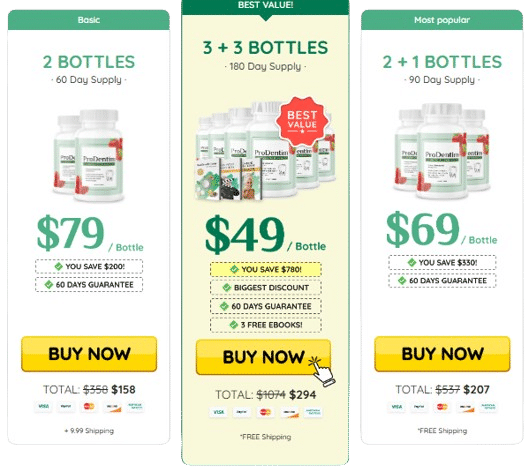
Ready to look at the product behind all those tartar ProDentim searches? The official page shows the current ingredient list, packages and ordering details.
Meet the product
What Is ProDentim? A Plain-English Product Overview
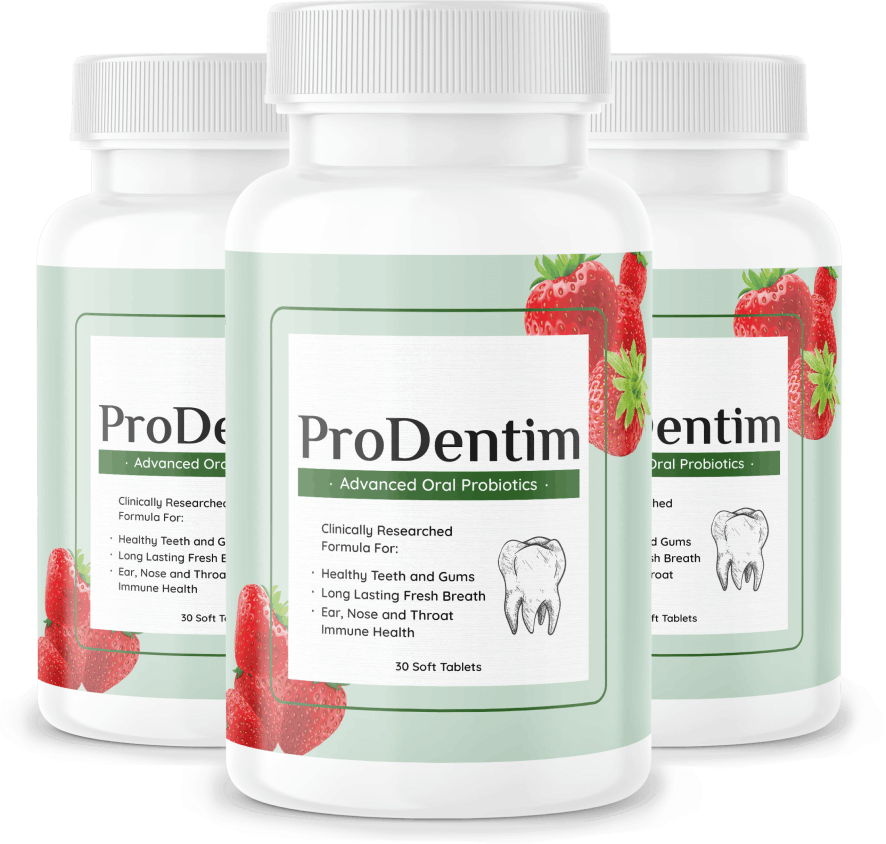
ProDentim is a chewable oral probiotic supplement. According to the official product page, it combines several probiotic strains with prebiotic inulin fiber, malic acid and peppermint oil, and it is meant to be used alongside regular brushing and flossing, never instead of them. Most readers meet the product through the phrase dental ProDentim, so it helps to be clear about what that means: the supplement is aimed at the community of bacteria in your mouth, not at the structure of the tooth itself.
That focus on the mouth, rather than the gut, is the whole idea. Many probiotic capsules are swallowed and meant for digestion. A chewable tablet is designed to dissolve in the mouth, which is why oral probiotics have become a category of their own. When people talk about tartar ProDentim, they are really asking whether this mouth-first approach can nudge the oral environment in a direction that makes plaque, and eventually tartar, less of a problem.
The formula, ingredient by ingredient
The official page names the components below. Exact amounts are best checked on the bottle you receive, because labels and sales pages around the web do not always agree with one another.
Lactobacillus Paracasei
A probiotic species found in some fermented foods and one of the strains named on the product page.
B.lactis BL-04
A Bifidobacterium strain that appears in several probiotic products and forms part of the ProDentim strain blend.
Lactobacillus Reuteri
One of the species most often tested in oral probiotic studies, usually in lozenges or drops aimed at gum inflammation.
Inulin
A plant fiber that acts as a prebiotic, which means it is food for friendly bacteria rather than a bacterium itself.
Malic acid
A fruit acid often used in oral products for a tangy taste and to encourage saliva flow.
Peppermint oil
A familiar breath-freshening flavor that also gives the chewable tablet its cool, clean taste.
How the tablet is taken
The official page describes a standard serving of two chewable tablets a day, chewed fully rather than swallowed whole. Serving sizes and bottle counts can differ between sources, so follow the directions printed on the bottle you actually receive. Our detailed ProDentim review goes through the ingredients, serving and ordering details, and the official ProDentim page always shows the current offer.
Some readers wonder whether a dental ProDentim routine is complicated. It is not: the tablet takes seconds, which is why it is easy to pair with an existing habit such as your morning or evening brush.
What the science says
What the Research Says About Oral Probiotics and Tartar
This is the section most pages skip, so let us slow down. Probiotics in the mouth are a genuinely active research area, but the headline findings are more modest than the marketing.
Why a probiotic might matter at all
Your mouth is a crowded ecosystem. Harmless and helpful bacteria share space with species that produce acid or provoke gum inflammation. The theory behind oral probiotics is that friendly strains can compete for attachment sites on teeth and gums, crowd out less welcome species, and perhaps release substances that make life harder for them. If that works, plaque might form more slowly or become less aggressive, and less aggressive plaque has less reason to harden. That chain of reasoning is the best case for tartar ProDentim, and it is a case about prevention, not removal.
What systematic reviews have found
Systematic reviews, which pool results from many trials, are the best guide here, and they are cautious. A 2020 review of ten randomized trials on probiotics for gingivitis found only weak support for lowering gum inflammation, and when it looked at Lactobacillus reuteri studies on their own, the differences in plaque and gum scores against placebo were not statistically significant. Another meta-analysis of plaque-induced gingivitis likewise found no clear evidence of benefit. Reviews of L. reuteri as an add-on to professional treatment of periodontitis are more encouraging for some gum measurements, but those patients were already receiving dental care, which is a different situation from daily tartar prevention.
Notice too what these studies measure. Most track plaque scores, gum bleeding and bacterial counts, which is why dental plaque ProDentim research and tartar ProDentim research are not interchangeable. A result about soft plaque says very little about a hardened deposit.
Evidence at a glance
- Plaque and gum measures: weak or mixed results across reviews
- Existing tartar: no controlled study we know of shows removal
- Gum treatment add-on: more encouraging, but a different setting
The question nobody has answered
Here is the honest gap. We are not aware of any controlled study showing that a chewable probiotic dissolves or softens tartar that is already on a tooth. For that reason we treat any tartar ProDentim claim that goes beyond prevention and support as unproven. The same caution applies to related searches. Readers drawn by dental ProDentim or dental caries ProDentim phrases deserve the same plain language: promising biology, modest evidence, no replacement for your dentist.
What a fair test of tartar ProDentim would look like
To show that a probiotic changes tartar, researchers would need to clean every participant’s teeth to a clean baseline, assign people at random to a probiotic or a placebo, and then measure calculus buildup with a standard scoring index over several months while everyone brushes the same way. That is a demanding trial, and until one is published, any claim about tartar ProDentim beyond support and prevention is a hope rather than a finding.
Know your options
Tartar ProDentim vs. Professional Cleaning vs. Tartar-Control Toothpaste
These three get lumped together in search results, but they do completely different jobs. Seeing them side by side makes the role of tartar ProDentim much easier to judge.
Professional scaling
- Removes existing tartar
- Done by a dentist or hygienist
- Usually followed by polishing
- The only safe way to clear hardened deposits
Tartar-control toothpaste
- Slows the formation of new tartar
- Often uses pyrophosphates or zinc citrate
- Does not remove tartar that is already there
- Works only when you brush well
An oral probiotic such as ProDentim
- Aims to support a balanced oral microbiome
- Studied mostly for plaque and gum measures
- No proof that it removes tartar
- A supplement, not a treatment
The takeaway is simple. If you already have tartar, book a cleaning. If you want to slow new buildup, brush and clean between your teeth well and consider a tartar-control toothpaste. And if you are curious about a tartar ProDentim add-on, treat it as an optional extra on top of those basics, not a shortcut around them.
Put it into practice
A Realistic Daily Routine Built Around Tartar ProDentim
A routine does not need to be elaborate to be effective. This is the sequence most dentists would recognize, with an oral probiotic slotted in as the optional final touch. The order of importance matters, so notice that tartar ProDentim comes last, and that a dental plaque ProDentim habit only makes sense once the basics are in place.
1. Brush twice a day for two minutes
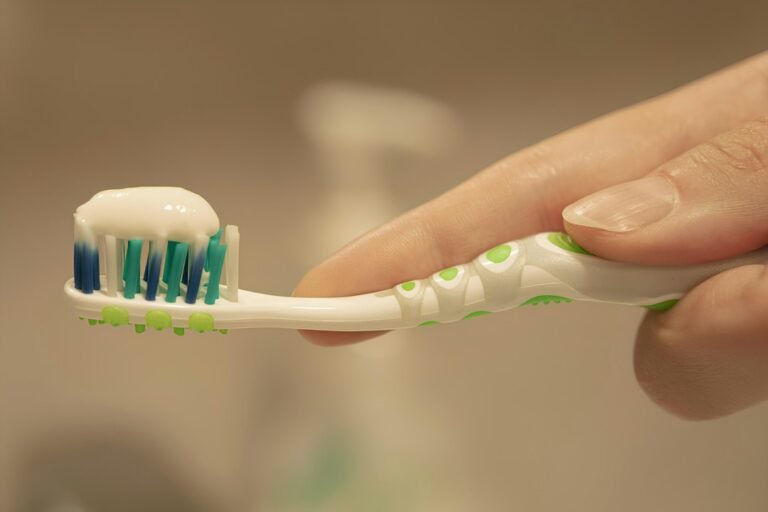
Use a soft brush and a fluoride toothpaste, angle the bristles toward the gumline and take your time on the inner surfaces of the lower front teeth, where tartar loves to start.
2. Clean between your teeth once a day
Floss, interdental brushes or a water flosser reach the spots a toothbrush skips. This single habit does more against tartar than almost anything you can buy.
3. Consider a tartar-control toothpaste
Ingredients such as pyrophosphates or zinc citrate can slow the hardening of fresh plaque. Ask your dentist which formula suits your teeth and gums.
4. Add ProDentim if it appeals to you
If you decide to try it, follow the label, chew each tablet fully and give it a consistent place in your day, for example after breakfast or before bed. Treat tartar ProDentim as a long-term habit, not an overnight fix.
5. Watch what feeds plaque
Frequent sugary drinks and snacks keep plaque bacteria fueled. Fewer exposures, and a glass of water after meals, make every other step easier.
6. Keep your dental appointments
Professional cleanings, usually every six months or on the schedule your dentist recommends, are the only way to remove tartar that has already formed.
If you want a deeper walk through toothpaste, mouthwash and supplements, our dental ProDentim guide covers everyday dental care step by step.


Want to Try ProDentim Alongside Your Routine?
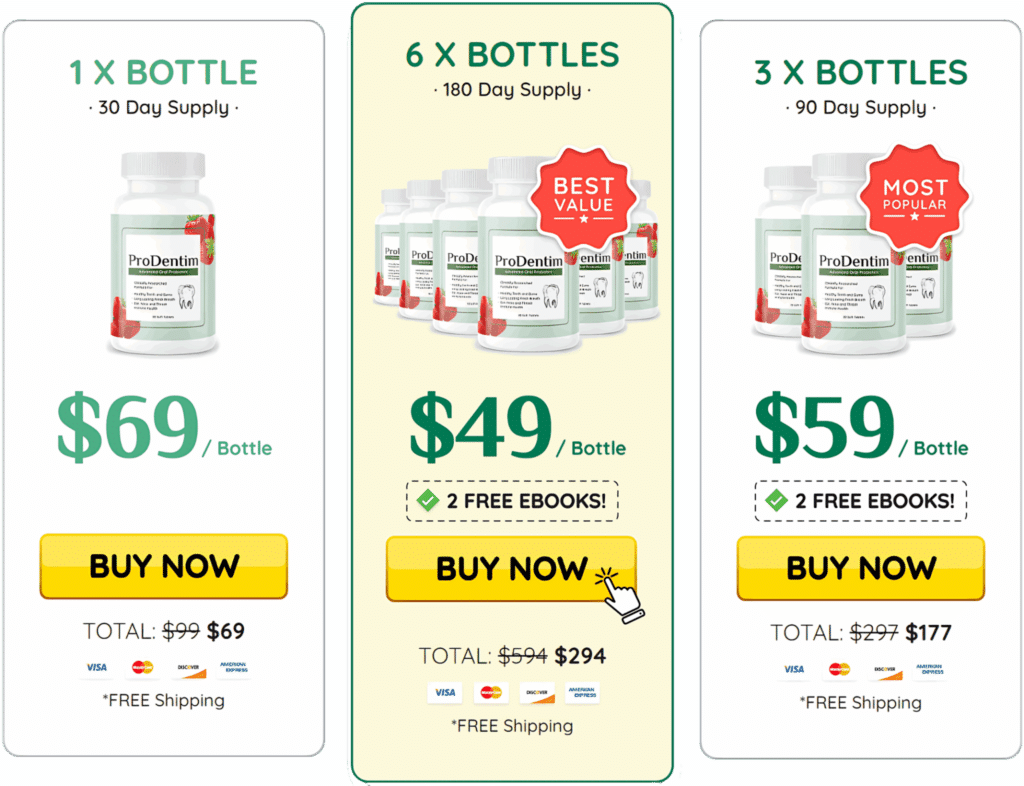
The button below opens the official order page, where you can see the current packages and details. Remember that tartar ProDentim support works best as a small addition to the habits above.
The bigger picture
Tartar, Enamel, Caries and Cavities: How They Connect
Tartar rarely travels alone. The same plaque that hardens into calculus is the plaque that produces acid, and that acid is what wears away enamel, the hard outer shell of each tooth. Dentists use the term dental caries for the entire decay process, from the first loss of minerals to a visible cavity. When readers search for dental caries ProDentim, they are usually trying to learn whether an oral probiotic can interrupt that process. The honest answer is that it may support a healthier balance of bacteria, but decay is controlled mainly by fluoride, diet and cleaning.
Enamel cannot regrow
Enamel contains no living cells, so once it is lost your body cannot rebuild it. It can, however, take minerals back in the very earliest stage of acid damage, and fluoride toothpaste is the best-supported way to encourage that. Marketing sometimes mentions enamal ProDentim in this context, and our guide to enamal ProDentim explains which parts of that story are realistic. A probiotic is not a mineral source, so any enamal ProDentim claim that never mentions fluoride is missing the biggest piece of the puzzle. Be equally skeptical when enamal ProDentim is described as a way to rebuild a tooth.
Where cavities hide
Cavities usually start in the places tartar prefers: between teeth, in deep grooves and along the gumline. That overlap is why tartar buildup can be an early warning sign for decay nearby. A careful reader of cavities ProDentim material will notice that no tablet can reach a cavity forming between two teeth, and that only an exam, often with X-rays, can reveal it. Our article on caries ProDentim looks at cavity defense from the research side, and the cavities ProDentim piece is a useful companion if decay is your main worry.
Put plainly, the way to protect enamel while you think about tartar ProDentim is the same as it has always been: fluoride, fewer sugar hits, thorough cleaning and regular checkups. Caries ProDentim discussions that skip those basics are not giving you the full picture, and neither are dental caries ProDentim pages that promise decay will simply disappear.


Who Might Consider Tartar ProDentim, and Who Should Check First
May be worth considering if you
- Already brush, floss and see your dentist regularly
- Like the idea of an oral probiotic as an extra step
- Want a simple chewable habit instead of another rinse
- Understand it will not remove existing tartar
Talk to a professional first if you
- Are pregnant or nursing
- Take prescription medication or have a medical condition
- Are allergic to any ingredient, including mint
- Have bleeding gums, loose teeth or visible hard deposits
A supplement label is not a diagnosis. If you can see or feel hard deposits, notice bleeding when you brush or have had persistent bad breath, those are signs to book a dental appointment rather than to shop for tartar ProDentim. A dentist can tell you whether you are dealing with tartar, gum disease or something else entirely, and can clear the deposits in a single visit. Once your teeth are clean, a dental ProDentim routine, if you choose one, is much easier to judge fairly.
Sorting fact from fiction
Tartar ProDentim Myths and Facts: What to Believe
Myth: A probiotic tablet can dissolve tartar
The fact: hardened tartar needs professional scaling. Even the best case for tartar ProDentim is prevention and support, not removal.
Myth: Scraping tartar off at home is fine
The fact: sharp tools can scratch enamel and cut gums, and they rarely reach below the gumline where the worst deposits sit. Leave removal to a professional.
Myth: Baking soda or oil pulling removes tartar
The fact: these may help with soft plaque or a fresher mouth, but they do not dissolve mineralized deposits.
Myth: White teeth mean no tartar
The fact: tartar can be pale and often hides below the gumline, so a dental exam is the only reliable check.
Spotting these myths protects your wallet as well as your teeth. Any promise built on tartar ProDentim should be checked against the same facts before you spend a cent.
Keep Reading: More ProDentim Guides
These articles cover the neighboring topics that readers of this tartar ProDentim guide ask about most. Each one takes a different angle, so you can go as deep as you like.

Dental Plaque ProDentim Guide
How an oral probiotic may relate to soft plaque before it hardens into tartar, and what that means for your routine.

Dental Caries ProDentim Guide
A research-minded look at the full process behind a cavity and where an oral probiotic fits.

Caries ProDentim Guide
A cavity-defense perspective on what a chewable probiotic can and cannot add.

Cavities ProDentim Guide
An honest look at what an oral probiotic can do for your teeth, and what only a dentist can do.

Enamal ProDentim Guide
Separating realistic ideas about tooth enamel from the exaggerated ones.
Dental ProDentim Guide
A beginner-friendly walk through everyday dental care and where oral probiotics fit.
Prefer the big picture? Read our complete ProDentim review or visit the ProDentim homepage.
Quick answers
Tartar ProDentim: Frequently Asked Questions
Can tartar ProDentim help remove tartar from my teeth?
No. Existing tartar is hardened and bonded to the tooth, so it must be removed by a dentist or dental hygienist. A tartar ProDentim routine is aimed at supporting the balance of bacteria in your mouth, which may help with prevention.
How quickly does plaque turn into tartar?
It varies from person to person, but plaque can begin to harden within a day or two if it is not cleaned away. That is why daily brushing and cleaning between your teeth matter so much.
Does an oral probiotic prevent tartar?
Current research does not prove that it does. Reviews of probiotics for gum health describe the evidence as weak or mixed, so tartar ProDentim should be seen as an optional extra rather than a proven preventer.
What is in ProDentim?
The product page lists Lactobacillus Paracasei, B.lactis BL-04 and Lactobacillus Reuteri alongside inulin, malic acid and peppermint oil. Always check the label on your own bottle for the full, current list.
Is dental ProDentim a replacement for brushing and flossing?
No. A dental ProDentim tablet is meant to sit on top of brushing, cleaning between teeth and regular dental visits, never to replace them.
Is dental plaque ProDentim the same thing as tartar ProDentim?
They are related but different questions. Dental plaque ProDentim is about the soft film that you can brush away, while tartar ProDentim is about the hardened deposit that only a dental professional can remove.
Will ProDentim help with cavities or dental caries?
No supplement can treat a cavity. Pages that discuss cavities ProDentim or dental caries ProDentim responsibly will say that fluoride, diet, cleaning and your dentist do the real work, while a probiotic may offer modest extra support.
Does enamal ProDentim mean ProDentim can rebuild enamel?
No. People searching for enamal ProDentim often hope it can rebuild enamel, but a probiotic does not supply minerals and enamel cannot regrow. Fluoride toothpaste remains the best-supported way to protect it.
What does caries ProDentim research actually cover?
Studies on caries ProDentim style products are limited, and most oral probiotic research looks at plaque, gum health and bacterial counts rather than cavities. Treat bold promises about decay with caution.
Is ProDentim safe for everyone?
Anyone who is pregnant, nursing, taking medication or managing a health condition should ask a doctor or dentist first. People with allergies, including to mint, should read the label carefully.
Where can I buy ProDentim?
ProDentim is available through the official order button on this site, which leads to the secure checkout page.
Final thoughts
The Bottom Line on Tartar ProDentim
Here is where we land after looking at the biology, the product and the research. Tartar is hardened plaque, and only professional cleaning removes it. Oral probiotics are a fascinating field with modest, mixed evidence, and nothing we found shows that a chewable tablet dissolves existing deposits. So tartar ProDentim earns a place only as a small, optional extra on top of the habits that actually keep tartar away.
If that sounds reasonable to you, the practical plan is simple. Brush well, clean between your teeth, keep your appointments and, if the idea appeals, add a dental ProDentim tablet as the final touch. If you ever see hard deposits, bleeding or a change in your breath that will not go away, let your dentist take the lead. Treat tartar ProDentim as a helper, and your expectations will match reality.
Sources and Further Reading
- Clinical efficacy of probiotics in the treatment of gingivitis: a systematic review and meta-analysis (Australian Dental Journal, 2020)
- Probiotics and gingival inflammation: a review summary (The Dental Elf)
- The efficacy of lactic acid bacteria-based toothpaste on oral health: a systematic review and meta-analysis (Frontiers in Oral Health, 2025)
- Is the use of Lactobacillus reuteri probiotic efficient as adjunctive therapy in the treatment of periodontitis? A systematic review (Brazilian Dental Science, 2023)
Affiliate Disclosure
Some of the links on this page are affiliate links. If you make a purchase through one of them, we may earn a commission at no extra cost to you. We only recommend products or services that we believe could be genuinely useful to our readers.
FDA Disclaimer
The information provided on this page is intended for general informational purposes only and is not meant to diagnose, treat, cure, or prevent any disease. Statements on this page have not been evaluated by the FDA. Please consult a licensed healthcare professional before starting any supplement or making changes to your diet or exercise habits. Results can vary from person to person. Any third-party trademarks or trade names shown on this site do not imply endorsement or affiliation. Should you purchase a product or service via a merchant link, we may earn a fee from that merchant.
© Copyright 2026 ProDentim™. All Rights Reserved.