Dental Caries ProDentim: Can an Oral Probiotic Really Support Your Teeth Against Decay?
If you have searched for dental caries ProDentim, you are probably asking one very practical question: can a chewable probiotic help protect my teeth from cavities? This guide gives you the plain-English answer. You will learn how dental caries actually forms, what ProDentim contains, what the probiotic research does and does not show, and how to use ProDentim sensibly next to fluoride, flossing and your dentist.
- 3.5 Billion CFU Blend
- Chewable Peppermint Tablets
- Vegetarian Formula
Affiliate link: if you buy through it, we may earn a commission at no extra cost to you.
CFU in the probiotic blend
probiotic strains on the label
chewable tablets a day
days per bottle at that serving
The Short Answer on Dental Caries ProDentim
- ProDentim is a chewable oral probiotic supplement. It is not a medicine, and it is not a treatment for cavities.
- Dental caries comes from acid-producing plaque bacteria, frequent sugar and too little protection over time, so fluoride, cleaning between teeth and dental visits do the heavy lifting.
- Probiotic species found in ProDentim, such as Lactobacillus paracasei and Lactobacillus reuteri, have been studied in connection with caries, but we could not find a published trial of the finished ProDentim tablet.
- Taken as two chewable tablets a day beside your normal routine, dental caries ProDentim is best seen as an optional extra layer, never a replacement for proven care.
What You Will Learn in This Dental Caries ProDentim Guide
What Is Dental Caries, and Why Are People Searching for Dental Caries ProDentim?
Dental caries is the clinical name for tooth decay, the process behind what most of us simply call a cavity. It is not a sudden event. It is a slow chemical tug-of-war on the surface of a tooth. Bacteria living in dental plaque, the sticky film that builds up on teeth, feed on sugars and refined starches from your diet and release acid as a by-product. That acid pulls calcium and phosphate out of enamel, a process called demineralization. Saliva and fluoride push minerals back in, which is called remineralization.
As long as remineralization keeps pace, nothing is lost. When the acid side of the battle wins often enough, a weak, chalky spot forms, and given enough time that spot can break through into a cavity. Decay of this kind is common worldwide: the World Health Organization lists untreated tooth decay among the most widespread health problems on the planet.
Because decay is driven by the balance of bacteria in the mouth, it is natural to wonder whether a probiotic could tilt that balance in your favor. That curiosity is exactly why searches for dental caries ProDentim keep growing, and it deserves a straight, evidence-minded answer rather than a sales pitch. Before we get to ProDentim itself, it helps to understand what you are actually trying to prevent.
The Four Ingredients of Tooth Decay
Dentists often explain dental caries as the result of four things overlapping. Take any one of them away and the process slows down or stops.
A vulnerable tooth surface
Enamel, exposed root surfaces and the deep grooves of back teeth are the usual starting points, especially where plaque is hard to reach.
Acid-producing bacteria
Species such as Streptococcus mutans turn sugars into lactic acid inside plaque, and they tolerate the acidic conditions they create.
Fermentable carbohydrates
Table sugar and refined starches feed plaque bacteria. How often you eat or sip them matters as much as how much.
Time and repetition
Each acid attack lasts a while. When attacks follow one another, saliva never gets the chance to repair the enamel.
CFU in the probiotic blend
probiotic strains on the label
chewable tablets a day
days per bottle at that serving
How Dental Caries Develops: From a White Spot to a Cavity
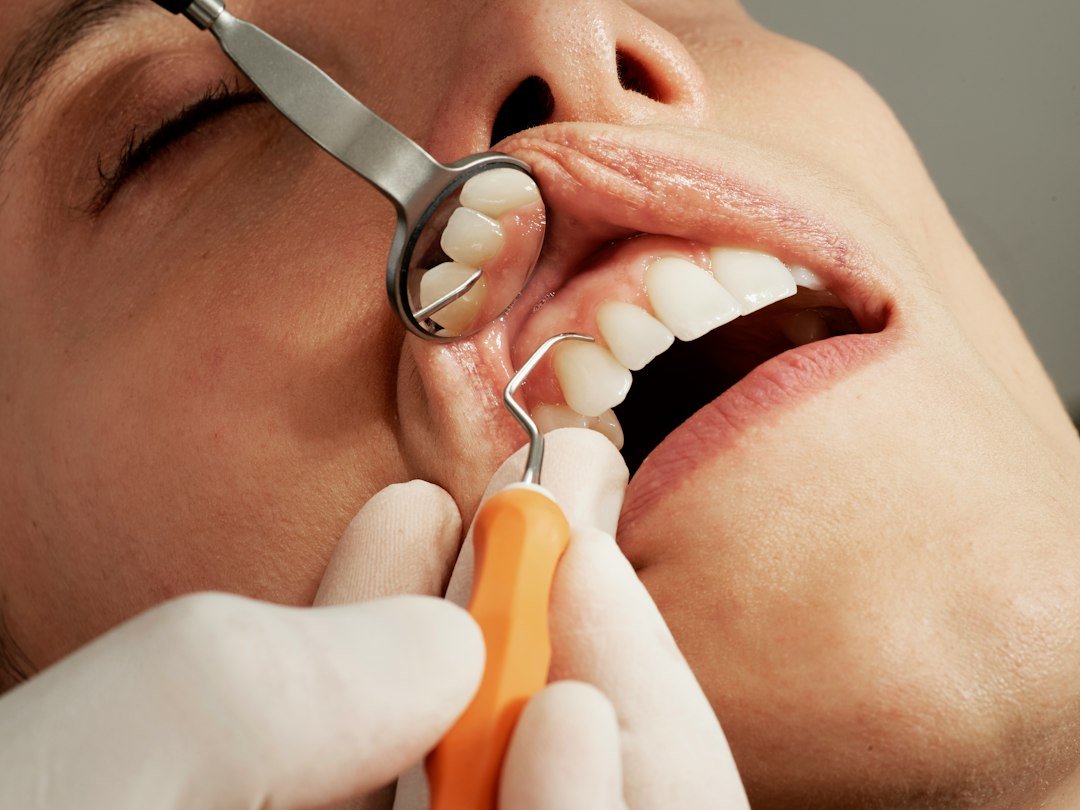
Photo: Caroline LM on Unsplash
Knowing the stages explains why timing matters so much. Only the earliest one can be reversed without a filling.
Stage 1: Early demineralization
A chalky white patch appears, often near the gumline. The surface is still intact, and fluoride, better cleaning and fewer sugar exposures can help it remineralize.
Stage 2: Enamel decay
The surface breaks down and the spot may turn light brown. A dentist usually needs to clean out the decay and place a filling.
Stage 3: Dentin decay
Beneath enamel lies softer dentin. Decay moves faster here, and sensitivity to sweet, hot or cold foods is common.
Stage 4: Pulp involvement
When decay reaches the nerve chamber, pain and infection can follow, and treatment may mean a root canal or an extraction.
That first stage is where daily habits make the biggest difference, and it is the only place where talk of dental caries ProDentim has any realistic footing: supporting the mouth’s everyday balance, not repairing damage that has already been done.
Your Oral Microbiome and Dental Caries: Where ProDentim Fits In
Your mouth hosts hundreds of bacterial species. Most are harmless, and some are positively helpful. Researchers once blamed dental caries on a single villain, Streptococcus mutans, but the modern view is broader. A clinical overview in StatPearls notes that caries can develop even where S. mutans is scarce, because the disease reflects the combined activity of the whole plaque community. In other words, it is an ecological problem: frequent sugar and poor plaque control push the community toward acid-loving species, and those species make the mouth more acidic still.
The Idea Behind Oral Probiotics
Oral probiotics rest on a simple hypothesis. Friendly strains placed in the mouth may compete with harmful bacteria for attachment sites and nutrients, may release substances that slow their growth, and may nudge the whole community toward a calmer balance. A recent systematic review in Frontiers in Oral Health describes mechanisms of exactly this kind, alongside a caveat worth remembering: the evidence on caries prevention remains fragmented and inconsistent.
This is the context in which dental caries ProDentim makes sense: a supplement that tries to support a healthier bacterial balance, working quietly in the background while the proven habits do the structural work.
What Is ProDentim? A Closer Look at the Chewable Behind the Question
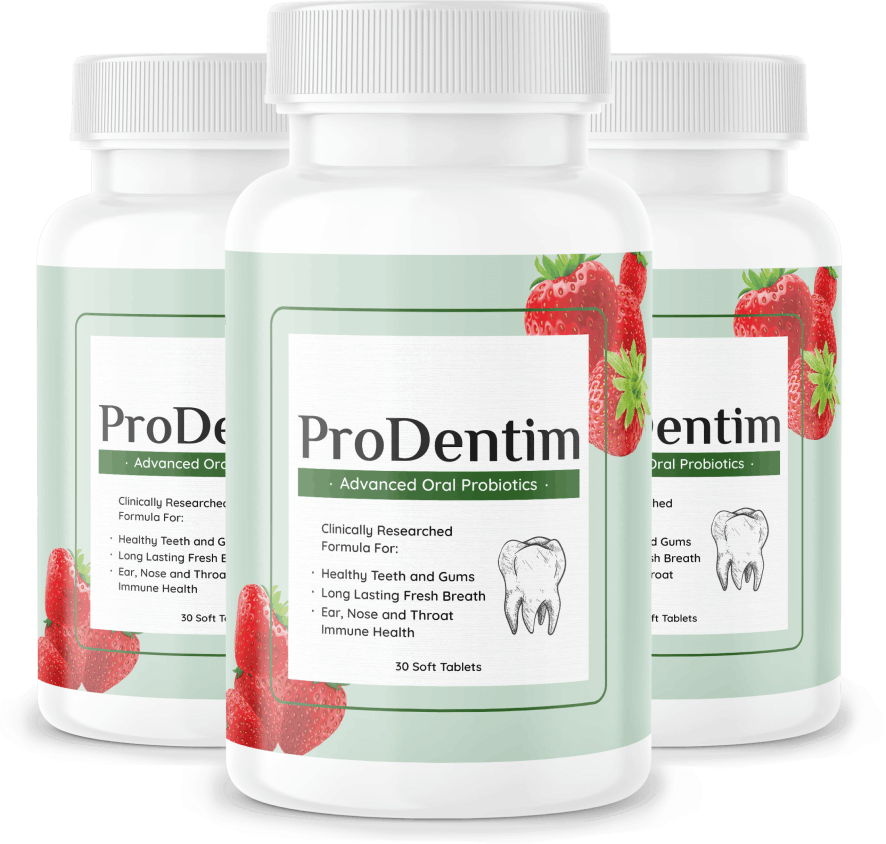
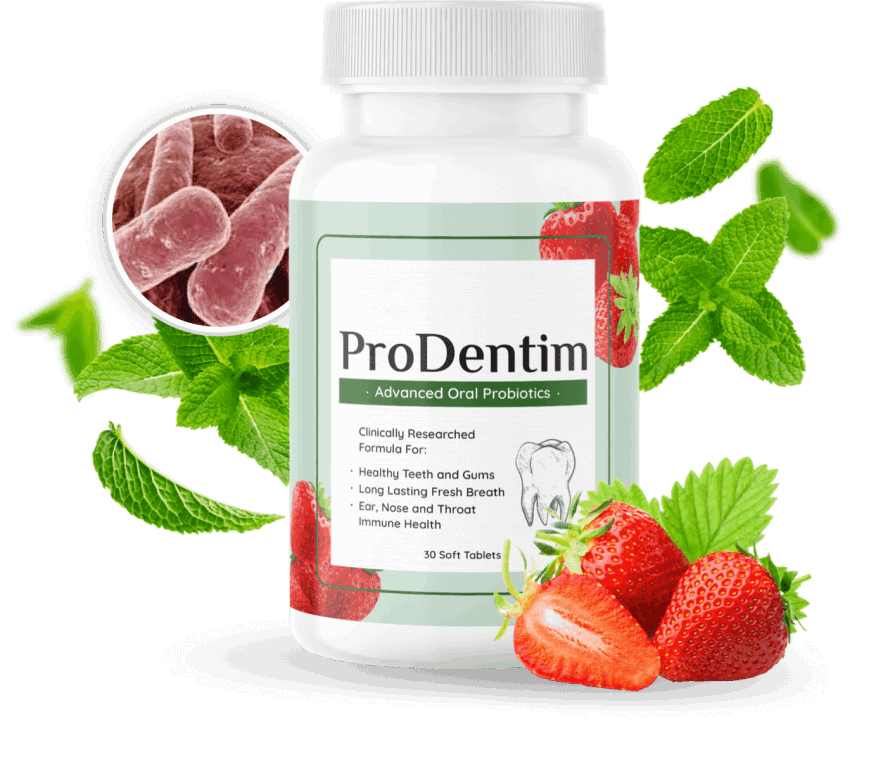
ProDentim is a chewable oral probiotic supplement. Each peppermint-flavored tablet combines a blend of probiotic strains, listed on the label as Lactobacillus paracasei, Bifidobacterium lactis BL-04 and Lactobacillus reuteri, with inulin, malic acid and peppermint oil. The blend provides about 3.5 billion CFU (colony-forming units), the standard measure of live bacteria.
According to the product information on this site, ProDentim is made in the United States in a facility that follows Good Manufacturing Practice guidelines, and the tablets are gelatin-free, which suits a vegetarian lifestyle. The usual serving is two chewable tablets a day, and one bottle lasts roughly a month. You chew the tablets rather than swallow them whole, so the ingredients spend a little time in contact with your teeth, gums and tongue.

It is sold as a dietary supplement, which means it is not approved to diagnose, treat, cure or prevent any dental condition. For anyone researching dental caries ProDentim, that single sentence is the most important thing to keep in mind. Want more label detail? The main ProDentim page and our full ProDentim review go deeper.
Affiliate link: if you buy through it, we may earn a commission at no extra cost to you.
CFU in the probiotic blend
probiotic strains on the label
chewable tablets a day
days per bottle at that serving
ProDentim Ingredients and Dental Caries: What Each One Is There For
Reading the label is the best habit you can build before trying any supplement. Here is what each part of the formula is generally included for, with an honest note on how much evidence connects it to dental caries.
The Probiotic Strains
Lactobacillus paracasei
A lactic acid bacterium found in fermented foods and in the human mouth. It appears among the strains investigated in caries-prevention reviews, but effects are strain-specific, so one result does not carry over to every product.
Lactobacillus reuteri
One of the most studied oral probiotics. Small trials, often using drops or lozenges in orthodontic patients, have looked at plaque acidity and oral streptococci. Results are encouraging in places and mixed in others.
Bifidobacterium lactis BL-04
The species Bifidobacterium lactis shows up in caries reviews, but the BL-04 strain is better known from digestive and immune research. Its role in the mouth is less settled, so think of it as a supporting player.
The Supporting Ingredients
Inulin
A prebiotic fiber that bacteria can feed on. Its benefits are best documented in the gut, so its job in the mouth is largely theoretical.
Malic acid
A fruit acid found naturally in apples and berries. It adds a gentle tang to the tablet and may encourage saliva flow. The amount in a single tablet is small.
Peppermint oil
Provides the cool, clean taste that makes the habit pleasant. Fresher-feeling breath is a real but short-lived effect, and it says nothing about decay.
Some product descriptions also list tricalcium phosphate, a calcium source. Formulas can change over time, so always read the ingredient panel on the bottle you actually receive and check it against any allergies.
CFU in the probiotic blend
probiotic strains on the label
chewable tablets a day
days per bottle at that serving
What the Research Says About Probiotics and Dental Caries
This is where marketing and science tend to drift apart, so we will stay close to published reviews and say plainly where they stop.
The Encouraging Signals
A systematic review in Frontiers in Oral Health, which examined caries prevention in children and young adults, concluded that specific probiotic strains show potential to reduce cariogenic bacterial loads and contribute to caries prevention. The strains it highlights include Lactobacillus paracasei, Lactobacillus rhamnosus and Bifidobacterium lactis.
Lactobacillus reuteri
Work from the University of Gothenburg explored L. reuteri drops in orthodontic patients and reported effects on plaque acidity and on oral streptococci. Braces make plaque harder to control, so these are demanding conditions, but the studies were small.
Lactobacillus paracasei and Bifidobacterium lactis
Both species appear in controlled trials and reviews that track caries-related markers such as salivary S. mutans counts, and certain L. paracasei strains have shown favorable effects in some trials. That is a large part of why dental caries ProDentim is a topic at all.
Where the Evidence Falls Short
An earlier systematic review in Nutrients looked at 23 randomized trials and called the effect of probiotics on caries lesions encouraging, but not yet backed by enough clinical evidence. Only a few of those trials measured actual cavity development, and two of them found a significant difference after 15 to 21 months of use.
The Journal of Dental Hygiene took a similar position. Probiotics might be considered an adjunct to fluoride, but large, well-designed trials are still missing, and because caries and gum disease involve different bacteria, different strains may be needed for each.
There is one more caveat that matters specifically for dental caries ProDentim. Research results are tied to the exact strain, dose and delivery form that was studied. We could not find a published clinical trial of the finished ProDentim tablet, so the science supports the general idea of oral probiotics, not this particular product.
Can ProDentim Prevent or Reverse Dental Caries? A Straight Answer
No supplement can reverse a cavity that has already formed, and ProDentim does not claim to. A cavity is a physical hole in the tooth, and only a dentist can treat it. What dental caries ProDentim may reasonably offer is a small, supportive role inside a routine that already does the real work.
What ProDentim Can Reasonably Do
- Add oral-friendly probiotic strains to your day through a chewable tablet
- Give you a simple habit that sits next to brushing and flossing
- Leave a cooling peppermint finish after you chew
- Support a balanced oral microbiome as one part of a wider routine
What It Cannot Do
- Reverse a cavity or rebuild enamel that has already been lost
- Replace fluoride toothpaste, floss or dental visits
- Remove plaque or hardened tartar
- Treat toothache, swelling or gum infection
What Actually Prevents Dental Caries
Fluoride toothpaste, twice a day
Fluoride strengthens enamel and helps it remineralize. It has the strongest evidence of any home measure against decay.
Cleaning between your teeth
Floss or interdental brushes reach the surfaces a toothbrush misses, where plaque quietly builds up.
Fewer sugar exposures
Cutting how often you snack or sip sweet drinks gives saliva time to repair enamel between acid attacks.
Regular dental visits
Dentists spot white-spot lesions early and can add sealants or fluoride varnish when you need them.
A Practical Routine for Using Dental Caries ProDentim Alongside Proven Habits
Here is one realistic way to fit ProDentim into a day that already includes the habits with the strongest evidence behind them. Adjust the timing to suit your own schedule.
After Breakfast: Chew Your ProDentim
Take two chewable tablets at a time that is easy to remember, such as after breakfast or before bed. Chew each one fully instead of swallowing it. No water is needed.
Through the Day: Keep Sugar to Mealtimes
Try to keep sweet snacks and drinks within meals and finish with water. Fewer acid attacks give your enamel room to recover.
At Night: Fluoride, Floss, Then Spit
Brush for two minutes with fluoride toothpaste, clean between your teeth, and spit out the foam without rinsing so the fluoride stays on your teeth a little longer.
Every Few Months: See Your Dentist
Mention that you use ProDentim, ask about sealants or fluoride treatment, and have any white or brown spots checked before they become cavities.
ProDentim Usage Reminders
- Standard serving: two chewable tablets a day, chewed rather than swallowed whole
- Store the bottle in a cool, dry place away from direct sunlight
- Keep it out of reach of children
- Missed a day? Resume your usual serving instead of doubling up
- Pregnant, nursing or on medication? Ask your doctor or dentist first
CFU in the probiotic blend
probiotic strains on the label
chewable tablets a day
days per bottle at that serving
Ready to Add ProDentim to Your Dental Caries Prevention Routine?
Compare the available packages on the official order page and read the label details for yourself. Offers and bonuses can change, so confirm everything at checkout.
Affiliate link: if you buy through it, we may earn a commission at no extra cost to you.
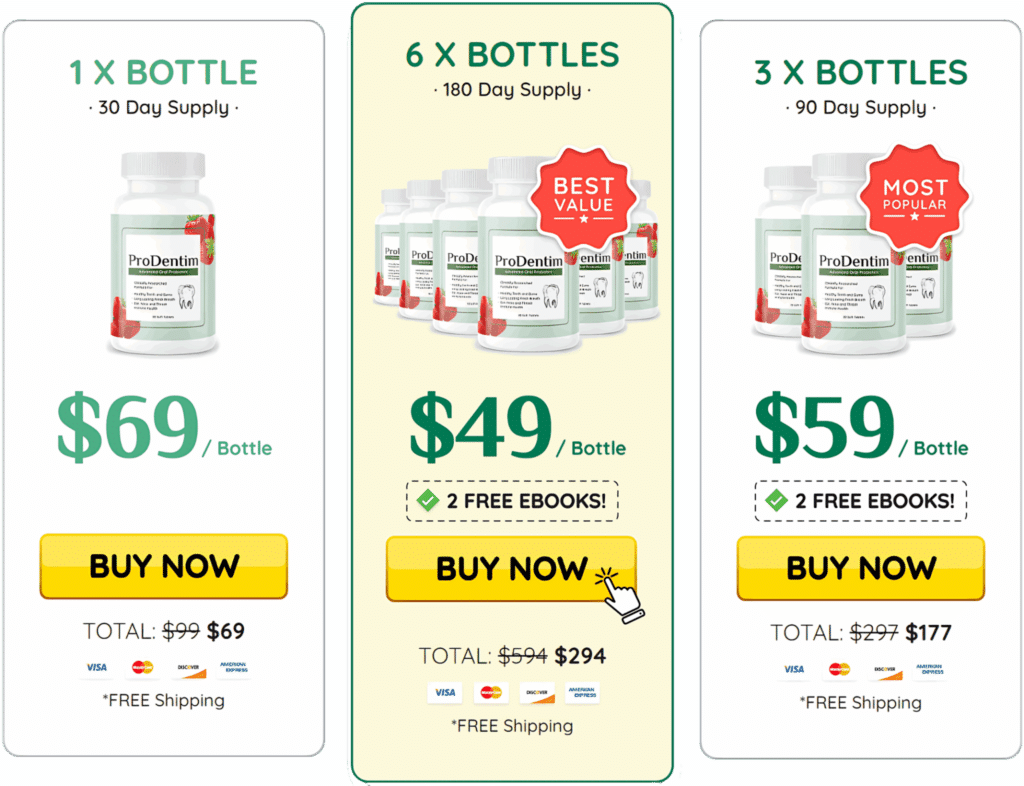
Is Dental Caries ProDentim Right for You?
It May Suit You If
- You already brush with fluoride toothpaste, clean between your teeth and see a dentist regularly
- You are curious about oral probiotics and comfortable with modest, uncertain benefits
- You prefer chewables to capsules and like the taste of peppermint
- You want a gelatin-free, vegetarian-friendly option
Ask a Professional First If
- You have active cavities, painful teeth or gum problems that need treatment
- You are pregnant, nursing, immunocompromised or taking prescription medication
- You expect whitening, tartar removal or a cure for tooth decay
- The cost would put a strain on your budget
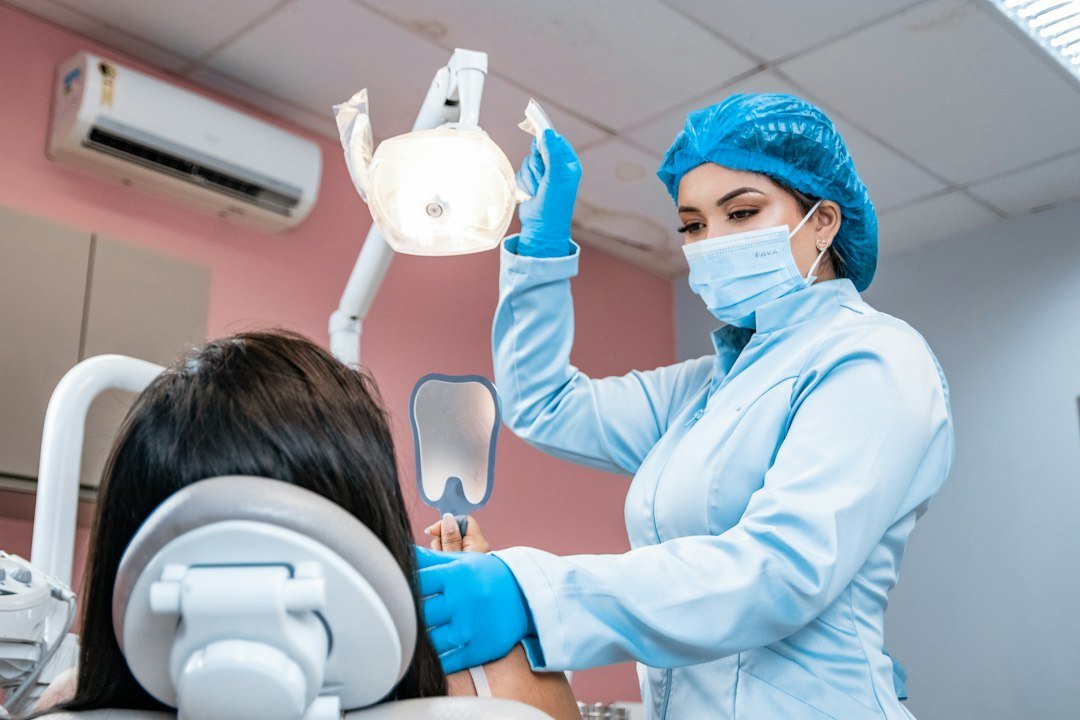
Photo: SoyBreno on Unsplash
Warning Signs of Dental Caries You Should Not Self-Treat
Early decay is often painless, which is why checkups matter. Once symptoms appear, the problem is usually already past the stage where a supplement could play any role. Book a dental appointment if you notice any of these:
- White, chalky or brown spots on a tooth
- Pain or sensitivity to sweet, hot or cold foods
- A visible hole, pit or rough edge you can feel with your tongue
- Pain when you bite down
- A lasting bad taste or bad breath that brushing does not fix
- Swelling or a pimple-like bump on the gum
A supplement, dental caries ProDentim included, is the wrong tool for an active problem. See a dentist first.
Dental Caries and Probiotics: Five Myths Worth Dropping
Myth 1: A probiotic can dissolve or heal a cavity
Reality: A cavity is a physical hole. Probiotics may influence the bacteria in plaque, but they cannot rebuild lost tooth structure. Only a dentist can restore it.
Myth 2: If I rarely eat sweets, I cannot get dental caries
Reality: Refined starches feed plaque bacteria too, and so does constant snacking. Dry mouth, receding gums and poor plaque control also raise the risk.
Myth 3: Brushing harder prevents decay
Reality: Effective cleaning is about thoroughness and fluoride, not force. Scrubbing hard can irritate gums and wear the tooth surface.
Myth 4: Natural products make fluoride unnecessary
Reality: Fluoride remains the best-supported tool for preventing decay. Oral probiotics are being studied as a possible addition, not a substitute.
Myth 5: Dental caries ProDentim works the same for everyone
Reality: Mouths differ in diet, saliva flow, plaque and genetics. Results vary from person to person, and any benefit is likely to be modest.
Dental Caries ProDentim: Frequently Asked Questions
Can ProDentim cure dental caries?
No. Dental caries causes physical damage to the tooth that only a dentist can repair. ProDentim is a probiotic supplement meant to sit beside brushing, flossing and dental visits, not to treat any dental condition.
Does dental caries ProDentim help prevent cavities?
At most it might play a small supporting role, and that role is unproven. Probiotic species that also appear in ProDentim have been studied for caries-related markers, yet we could not find a published trial of the finished tablet. Fluoride, cleaning between teeth and smarter snacking carry the proven weight.
What is in ProDentim?
Each chewable tablet combines Lactobacillus paracasei, Bifidobacterium lactis BL-04 and Lactobacillus reuteri with inulin, malic acid and peppermint oil, for about 3.5 billion CFU. Always read the label on your own bottle.
How do I take ProDentim?
The product information lists two chewable tablets a day. Chew each tablet fully rather than swallowing it whole, and choose a time you will remember, such as after breakfast or before bed.
Can I use dental caries ProDentim with fluoride toothpaste?
Yes. ProDentim is a supplement, not a toothpaste, so it does not replace fluoride. Keep brushing twice a day with fluoride toothpaste, and tell your dentist about any supplement you use.
How long before I notice anything?
Some people mention a fresher-feeling mouth within a few weeks. Changes in dental caries risk are not something you can feel, which is why regular checkups matter more than waiting on a supplement.
Is ProDentim suitable for children?
Nothing in the product information on this site positions ProDentim for children. If you are considering a probiotic for a child, ask a pediatric dentist first, and rely on fluoride toothpaste and supervised brushing.
Is ProDentim safe during pregnancy or with medication?
If you are pregnant, nursing, immunocompromised or taking prescription medication, check with your doctor or dentist before adding any supplement, including ProDentim, to your routine.
Where should I buy ProDentim?
Use the order page linked on this site rather than marketplace sellers. Counterfeit or expired bottles are a common concern with popular supplements, and a purchase from an unfamiliar seller may not be covered by any guarantee.
Final Thoughts on Dental Caries ProDentim
Dental caries is a bacterial and dietary problem that unfolds slowly, which is why prevention beats repair. Fluoride toothpaste, cleaning between your teeth, smarter snacking and regular dental visits remain the foundation, and nothing on this page changes that.
So where does dental caries ProDentim fit? As an optional, easy habit for adults who already look after their teeth and are curious about oral probiotics. The ingredients are familiar, the tablets are simple to chew, and the formula suits a vegetarian lifestyle. The limits are just as clear: no published trial of the finished tablet, a research field that is promising but still maturing, and no ability to repair a cavity.
If that sounds like a reasonable trade, you can order ProDentim through the button below. If you have symptoms, start with your dentist instead. For more detail, read our full ProDentim review, the Dental ProDentim guide, or visit the main ProDentim page.
Affiliate link: if you buy through it, we may earn a commission at no extra cost to you.